Transforming Lives Through Nature’s Gold: The Samburu Gums and Resins Success Story
In the semi-arid landscapes of Samburu County, where acacia trees dot the horizon and traditional pastoralism meets modern conservation challenges, a remarkable community initiative is rewriting the narrative of rural development. The Samburu Gums and Resins Community Based Organization, based in Archers Post, represents a powerful example of how indigenous knowledge, sustainable practices, and community empowerment can create lasting economic and environmental impact.
From Traditional Knowledge to Modern Markets
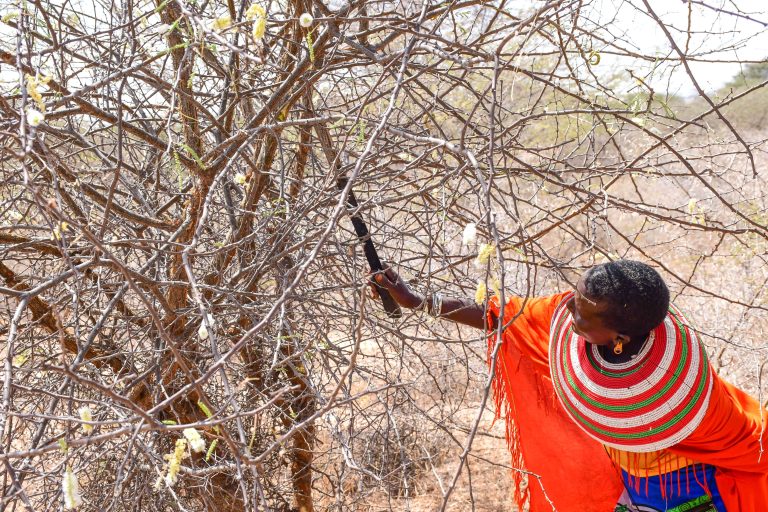
For generations, the Samburu people have understood the value hidden within the bark and branches of their native trees. Gums and resins – natural exudates from various tree species – have long been part of traditional medicine and local commerce. However, what was once a subsistence activity has evolved into a sophisticated community enterprise that bridges ancient wisdom with contemporary market demands.
The organization’s vision is ambitious yet grounded: to empower local communities to sustainably harvest, source, and manage gum and resin tree resources for economic growth, environmental conservation, and social resilience. This holistic approach recognizes that true development cannot occur at the expense of the environment that sustains it.
Women at the Forefront of Change
One of the most striking aspects of this initiative is its commitment to women’s empowerment. In many rural communities across Kenya, women bear the primary responsibility for natural resource management and household food security, yet they often lack access to markets and decision-making processes. The Samburu Gums and Resins CBO is changing this dynamic by placing women at the center of their training programs.
These programs don’t just teach harvesting techniques – they provide comprehensive education on sustainable tree management, quality control, value addition, and market access. Women learn to identify the optimal times for collection, proper processing methods that maintain product integrity, and business skills that enable them to negotiate fair prices for their products.
Sustainable Practices for Long-term Success
The organization’s approach to sustainability goes beyond mere conservation rhetoric. Their five core goals demonstrate a deep understanding of the interconnected nature of economic, environmental, and social sustainability:
Resource Management: Rather than exploiting trees for short-term gain, the community learns rotational harvesting, proper wound care for trees, and regeneration techniques that ensure continued productivity.
Quality Enhancement: Through skill development programs, collectors learn to produce premium-grade gums and resins that command higher prices in both domestic and international markets.
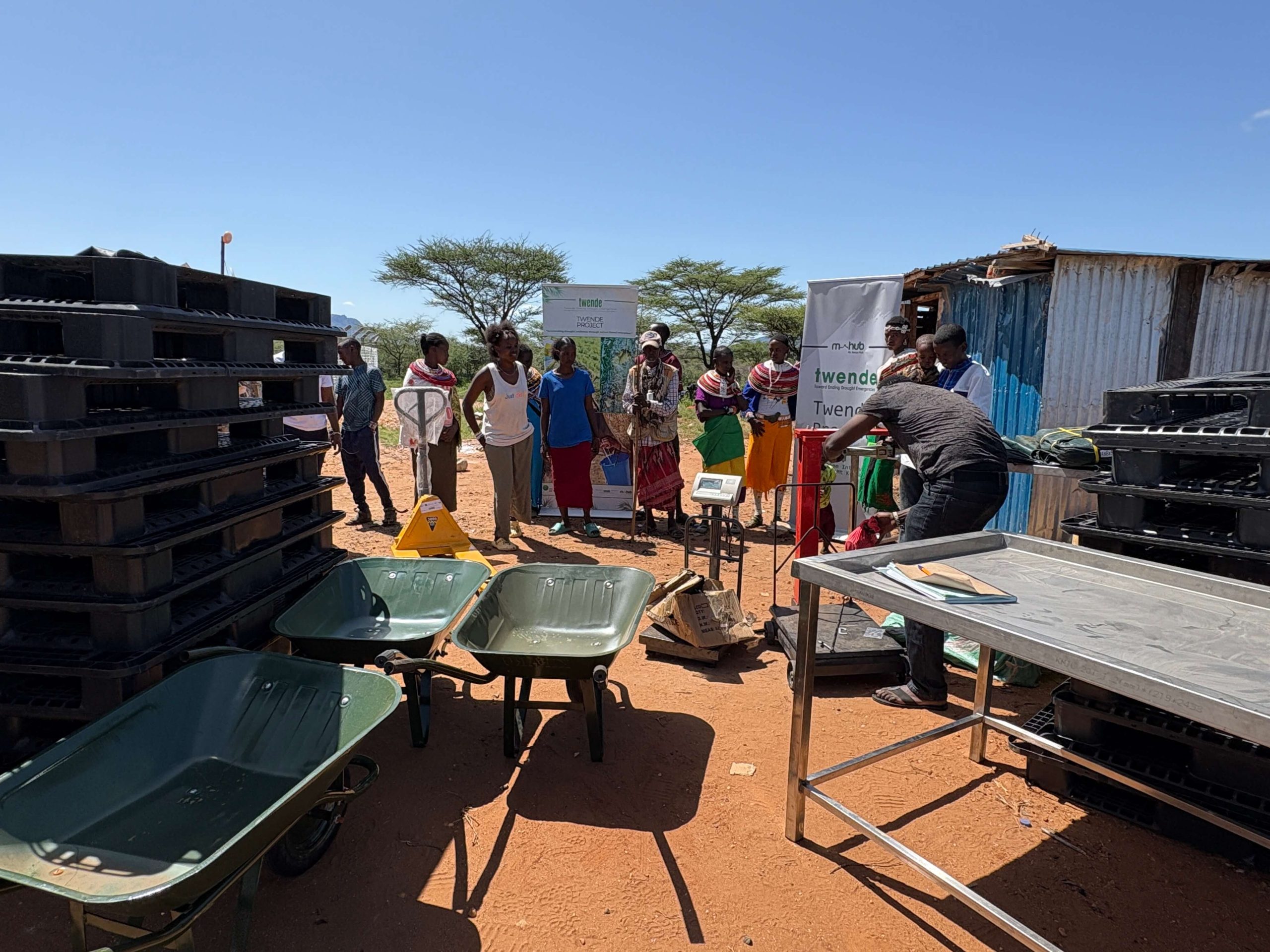
Market Access: The organization serves as a bridge between local collectors and premium markets, including fair-trade opportunities that recognize the true value of sustainably produced natural products.
Environmental Awareness: Beyond the immediate benefits of tree conservation, the initiative raises broader environmental consciousness about ecosystem protection and restoration.
Economic Impact and Market Potential
The global market for natural gums and resins continues to grow, driven by increasing demand in food, pharmaceutical, cosmetic, and industrial applications. Products like gum arabic, frankincense, and myrrh – all found in the Samburu region – command premium prices when properly harvested, processed, and certified.
By organizing collectors into a cohesive community-based organization, individual harvesters gain collective bargaining power and access to markets that would otherwise be unreachable. The aggregation model allows for consistent supply, quality standardization, and the development of direct relationships with buyers who value traceability and sustainability.
Looking Forward
The Samburu Gums and Resins Community Based Organization represents more than just an economic development project – it’s a model for how communities can take control of their natural resources while preserving them for future generations. As climate change and environmental degradation threaten traditional livelihoods across East Africa, such initiatives offer hope and practical solutions.
The success of this organization could inspire similar efforts across Kenya and the broader region, demonstrating that environmental conservation and economic development are not competing priorities, but complementary forces that, when properly aligned, create resilient and prosperous communities.