Building Resilience: How Community-Based Natural Resource Management is Reshaping Samburu County
Climate variability, market volatility, and changing social dynamics have long challenged rural communities across Kenya. In Samburu County, where rainfall is unpredictable and traditional pastoralism faces increasing pressures, innovative approaches to natural resource management are emerging as pathways to resilience. The Samburu Gums and Resins Community Based Organization exemplifies how communities can diversify their livelihood strategies while strengthening their relationship with the environment.
The Context of Change
Samburu County, like much of northern Kenya, experiences significant environmental and economic challenges. Prolonged droughts affect livestock productivity, while market access remains limited for many rural communities. In this context, the sustainable harvesting of gums and resins offers an important alternative livelihood strategy that complements rather than replaces traditional practices.
Unlike many development interventions that impose external solutions, this community-based approach builds upon existing knowledge systems. The Samburu people have long understood which trees produce valuable gums and resins, when to harvest them, and how to process them for various uses. The organization’s role is to strengthen and formalize these practices while connecting them to broader market opportunities.
The Power of Aggregation
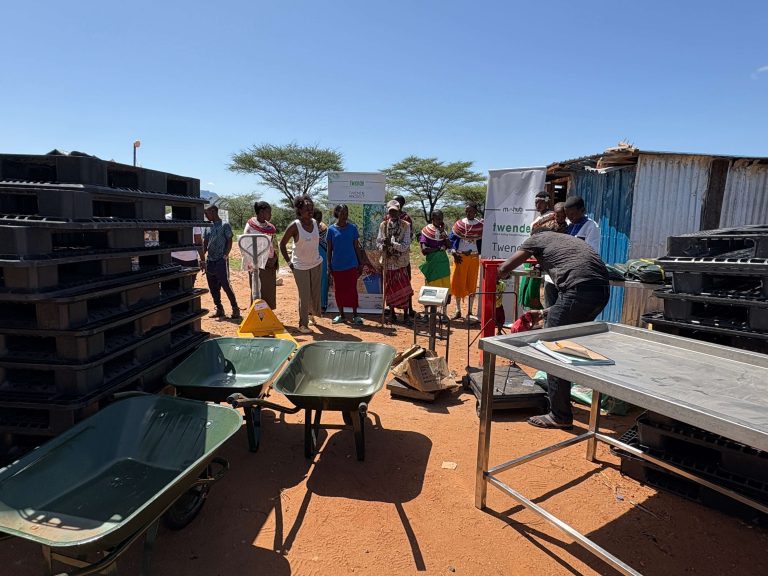
One of the key innovations of the Samburu Gums and Resins CBO is its focus on aggregation and collective action. Individual collectors, working in isolation, often struggle to meet the volume and quality requirements of formal markets. They may also lack information about pricing, market trends, and buyer requirements, leaving them vulnerable to exploitation by middlemen.
By bringing collectors together under a unified organization, several advantages emerge:
Economies of Scale: Collective harvesting and processing reduce individual costs while improving overall efficiency.
Quality Standardization: Shared training and quality control systems ensure that products meet market specifications consistently.
Market Power: As a organized group, collectors can negotiate better prices and more favorable terms with buyers.
Risk Sharing: Diversifying across multiple collectors and multiple tree species reduces the impact of localized challenges such as tree disease or seasonal variations.
Training and Capacity Building
The organization’s commitment to training extends far beyond basic harvesting techniques. Comprehensive programs address multiple aspects of the value chain:
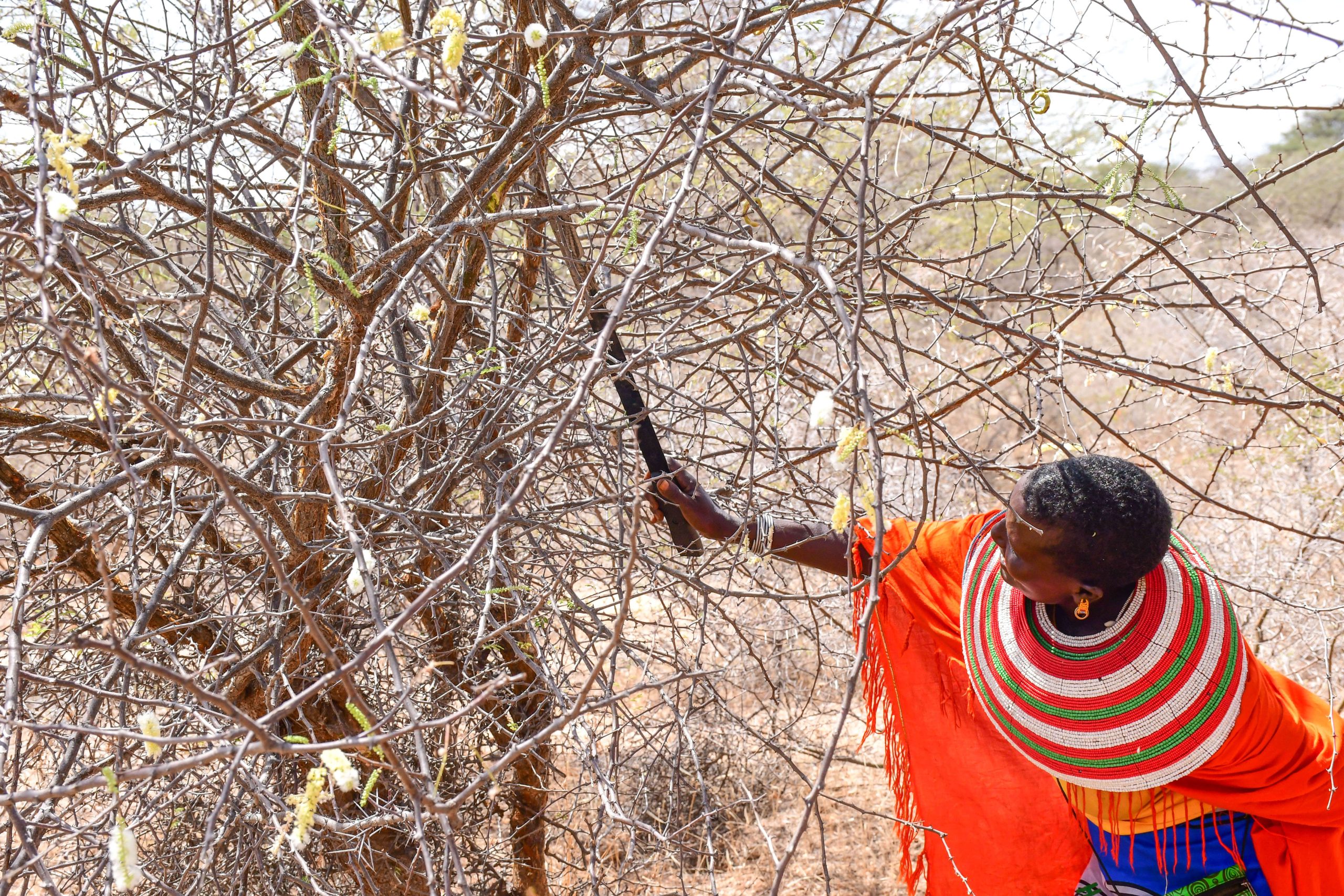
Sustainable Harvesting: Collectors learn to maximize yields while maintaining tree health, understanding concepts like optimal timing, proper incision techniques, and post-harvest tree care.
Post-Harvest Processing: Proper cleaning, drying, and storage techniques are crucial for maintaining product quality and preventing contamination that could reduce market value.
Business Skills: Financial literacy, record-keeping, and basic entrepreneurship training enable participants to better manage their involvement in the gums and resins trade.
Environmental Stewardship: Understanding the broader ecological context helps collectors make decisions that support long-term environmental health.
Certification and Premium Markets
The growing global demand for sustainably sourced natural products creates opportunities for communities that can demonstrate responsible harvesting practices. Certification schemes, including organic and fair-trade certifications, offer access to premium markets where consumers are willing to pay higher prices for products that meet specific environmental and social standards.
The Samburu Gums and Resins CBO positions its members to take advantage of these opportunities by implementing practices that align with certification requirements. This includes maintaining harvesting records, following sustainable collection protocols, and ensuring fair compensation for all participants.
Environmental Conservation Through Economic Incentives
One of the most compelling aspects of this approach is how it aligns economic incentives with environmental conservation. When community members derive direct income from tree resources, they have strong motivations to protect and nurture those resources. This creates a virtuous cycle where economic activity supports environmental conservation, which in turn sustains economic opportunities.
The organization’s focus on biodiversity protection recognizes that healthy ecosystems provide more resilient and diverse livelihood opportunities. By managing tree resources sustainably, communities maintain options for the future while addressing immediate economic needs.
Challenges and Opportunities
Like any community-based initiative, the Samburu Gums and Resins CBO faces various challenges. Market access requires ongoing relationship building with buyers, while quality control demands consistent attention to detail. Climate variability affects both tree productivity and harvesting schedules, requiring adaptive management approaches.
However, these challenges are balanced by significant opportunities. The global trend toward natural and sustainable products continues to grow, creating expanding markets for responsibly sourced gums and resins. Additionally, the skills and organizational capacity developed through this initiative can support other community development efforts, creating spillover benefits beyond the immediate focus on gums and resins.
A Model for Replication
The success of the Samburu Gums and Resins CBO offers lessons that could be applied in other contexts across Kenya and East Africa. The combination of community organization, sustainable resource management, and market linkages provides a framework that could be adapted to other natural products and other communities.
Key elements that make this model potentially replicable include its foundation in existing community knowledge, its emphasis on collective action, and its integration of economic, environmental, and social objectives. These characteristics suggest that similar approaches could be successful in other areas where communities have access to valuable natural resources and the organizational capacity to manage them sustainably.
As Kenya continues to pursue its development goals while addressing environmental challenges, community-based approaches like this one demonstrate that local solutions can contribute to national objectives while empowering the communities that implement them.